How to get into ChatGPT answers: a step-by-step plan
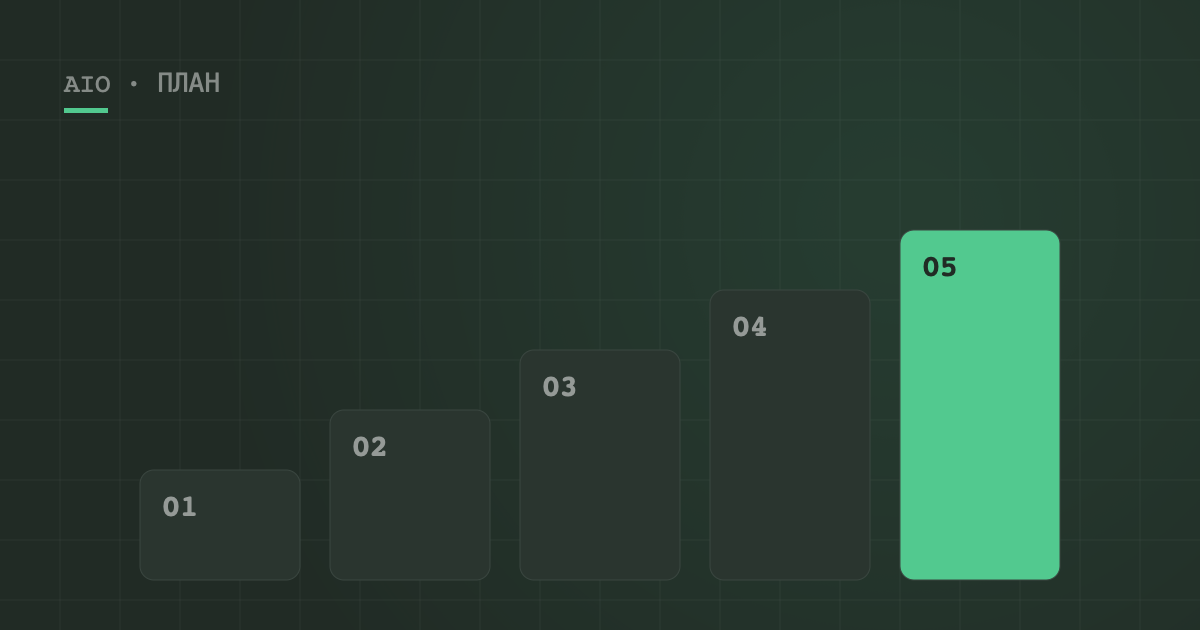
The model doesn't 'rank' sites — it assembles an answer from sources it considers reliable. We break down how to become one of them, step by step.
Step 1. Prompt map
Collect the actual phrases users ask about your category: 'best X for Y', 'X vs Z', 'how much does X cost'. This is the equivalent of a keyword list — but for conversations. Your content plan and measurement will be built on top of it.
Step 2. Content that is easy to cite
AI loves structure: a direct answer in the first paragraph, comparison tables, criteria lists, FAQ. One piece — one intent, no sprawling content covering ten topics. Numbers and facts must be verifiable: models increasingly attach a source to every claim.
Step 3. Consistent brand entity
- Consistent name, description and category across your site, directories, social media and Wikipedia-like sources.
- An 'About Us' page with facts: founding year, team, clients, awards.
- Schema.org: Organization, Product, FAQPage, HowTo — models pick up marked-up data more readily.
Step 4. External mentions
ChatGPT's RAG search relies on search engine indexes and trusted platforms: reviews, ratings, industry media, Reddit-like communities. Ten mentions in 'top 10 services' articles deliver more than a hundred anchorless links.
Step 5. Access and monitoring
Make sure GPTBot and other AI crawlers aren't blocked in robots.txt, add llms.txt — and measure your share of voice across the prompt map monthly. First citations in our projects typically appear 3–6 weeks after implementation.